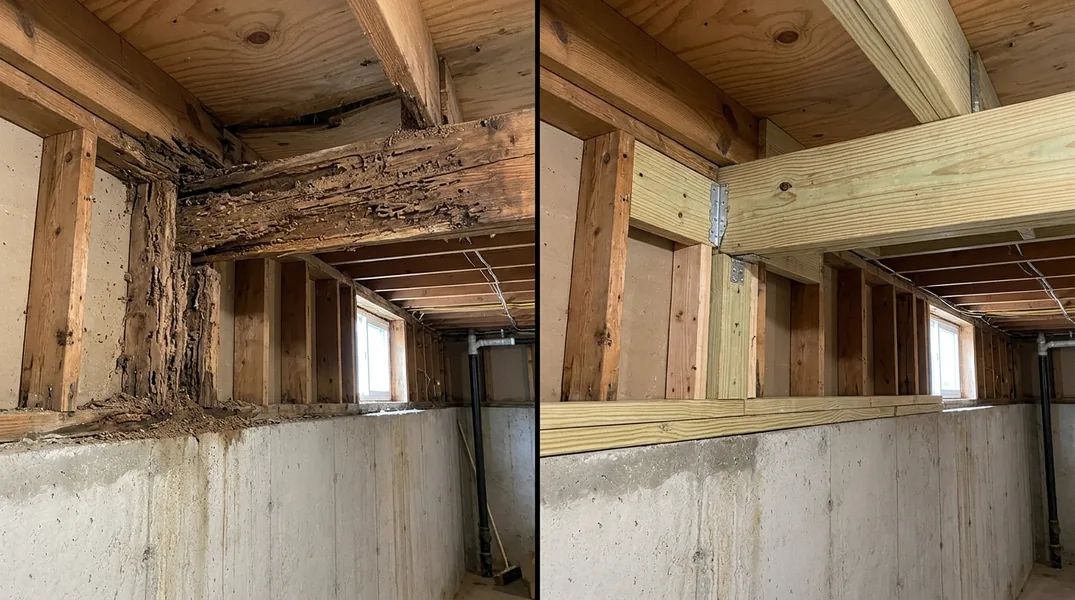
The Key Differences Between Dry Rot and Termite Damage
If you've noticed soft, crumbling wood in your Olathe home, you're probably wondering what caused it. The two most common culprits are dry rot and termite damage, and while they can look superficially similar to an untrained eye, they're actually very different problems that require different solutions. Understanding the distinction is crucial because misdiagnosing the issue could lead to ineffective repairs and continued structural damage.
Dry rot is a fungal decay that occurs when wood loses its moisture content and becomes brittle and crumbly. Termites, on the other hand, are insects that actively tunnel through wood and consume it as food. This fundamental difference means the damage patterns, progression rates, and treatment methods are completely different. A homeowner in Olathe dealing with either issue needs to know exactly what they're facing to make informed decisions about repairs and prevention.
What Does Wood Rot Look Like? Identifying Dry Rot Damage
Dry rot typically appears as wood that is discolored, darkened, and crumbly to the touch. The affected wood often develops a distinctive cubic cracking pattern, where the wood breaks into small cube-shaped pieces rather than splinters. This happens because dry rot shrinks the wood unevenly, creating stress points that result in these characteristic cracks. When you press on wood affected by dry rot, it may feel spongy or soft, and pieces can often be scraped away easily with a screwdriver or knife.
One of the telltale signs of dry rot is that it typically occurs in areas with poor ventilation or high moisture that then dries out. You'll often find it in basements, crawl spaces, around plumbing leaks, or in areas where water has damaged wood that wasn't properly dried. The fungus spreads through the wood and can even travel through masonry to reach new wood sources. Unlike termite damage, dry rot doesn't involve visible tunnels or insects, but you may notice a musty, earthy smell in affected areas. Wood Rot & Dry Rot Repair specialists can assess the extent of the damage and recommend the best course of action for your home.
Signs of Termite Damage in Wood: What to Look For
Termite damage presents quite differently from dry rot. When termites infest wood, they create hollow galleries and tunnels as they consume the wood from the inside out. This means the wood may look relatively normal on the surface while being completely hollowed out underneath. If you tap on wood suspected of termite damage, it may sound hollow or papery. You might also notice that the wood feels lighter than it should or that the surface is thinner than expected when you probe it.
Another key sign of termite damage is the presence of mud tubes. Subterranean termites, which are common in the Midwest, build mud tubes to travel between the soil and the wood they're eating. These tubes look like thin, brown lines or tunnels running up foundation walls, pier supports, or other wood structures. You may also find termite droppings, which look like tiny pellets or sawdust piles near infested wood. Unlike dry rot, which progresses at a relatively predictable rate, termite damage can escalate rapidly because the insects are actively feeding and reproducing. If you suspect Termite Damage Repair may be needed, it's important to act quickly before structural integrity is compromised.
Moisture, Ventilation, and Environment: Why They Matter
The environmental conditions that lead to dry rot and termite damage are different, which can help you determine which problem you're facing. Dry rot thrives in environments with high moisture followed by poor air circulation and drying. It needs moisture to develop but then needs stagnant air that prevents the wood from drying properly. This is why dry rot is so common in basements, crawl spaces, and areas around plumbing leaks or roof damage. Once you identify the moisture source and improve ventilation, you can halt the progression of dry rot.
Termites, conversely, need consistent moisture to survive, but they also need access to wood and soil contact. They don't necessarily need the wood to be wet, but they do need humidity levels that keep them from drying out. This is why termites often enter homes through wood that's in contact with soil or through areas where there's excessive moisture. The key difference is that termites are mobile pests that will actively seek out new wood sources, while dry rot spreads through spore dispersal. Understanding these environmental factors helps determine the root cause of your damage and what preventive measures will work best for your home.
Professional Inspection: Why DIY Diagnosis Isn't Enough
While the signs we've discussed can help you get a general sense of what might be happening in your home, a professional inspection is really the only way to get a definitive diagnosis. A trained carpenter or inspector can examine the damage patterns, test the wood, look for specific indicators like mud tubes or fungal fruiting bodies, and determine exactly what you're dealing with. They can also identify hidden damage that may not be visible to the naked eye and assess how far the problem has spread throughout your home.
If you're in Olathe and suspect wood damage, contacting a professional is your best first step. Olathe Carpentry can provide a thorough assessment and help you understand your options. The team at Olathe Carpentry has extensive experience with both dry rot and termite damage, and they can recommend the most effective repair strategy for your specific situation. Whether you need Wood Rot & Dry Rot Repair, Floor Joist & Subfloor Repair, or structural restoration, getting the right diagnosis upfront saves time and money in the long run.
Next Steps: Getting Your Home Inspected and Repaired
If you've noticed signs of wood damage in your home, the best course of action is to schedule a free estimate with a qualified professional. During this inspection, they'll identify whether you're dealing with dry rot, termite damage, or another issue entirely. They'll also provide recommendations for repairs and prevention strategies tailored to your home's specific needs. The sooner you address the problem, the less extensive and expensive the repairs will be.
Don't let wood damage compromise your home's structural integrity. Contact Olathe Carpentry today at (913) 355-6186 to schedule your inspection. The team is ready to help you identify the problem, discuss your repair options, and get your home back to solid condition. Whether it's a small area of concern or extensive damage, professional assessment and repair will give you peace of mind and protect your investment in your home.
Looking for a professional carpentry contractor in Olathe? Olathe Carpentry responds fast for all your carpentry needs.
Get a Free QuoteOur services: Wood Rot & Dry Rot Repair · Termite Damage Repair · Floor Joist & Subfloor Repair